Tourism & Scenic Areas · Fixed-Site Operation

Scenic Area Food Trailers

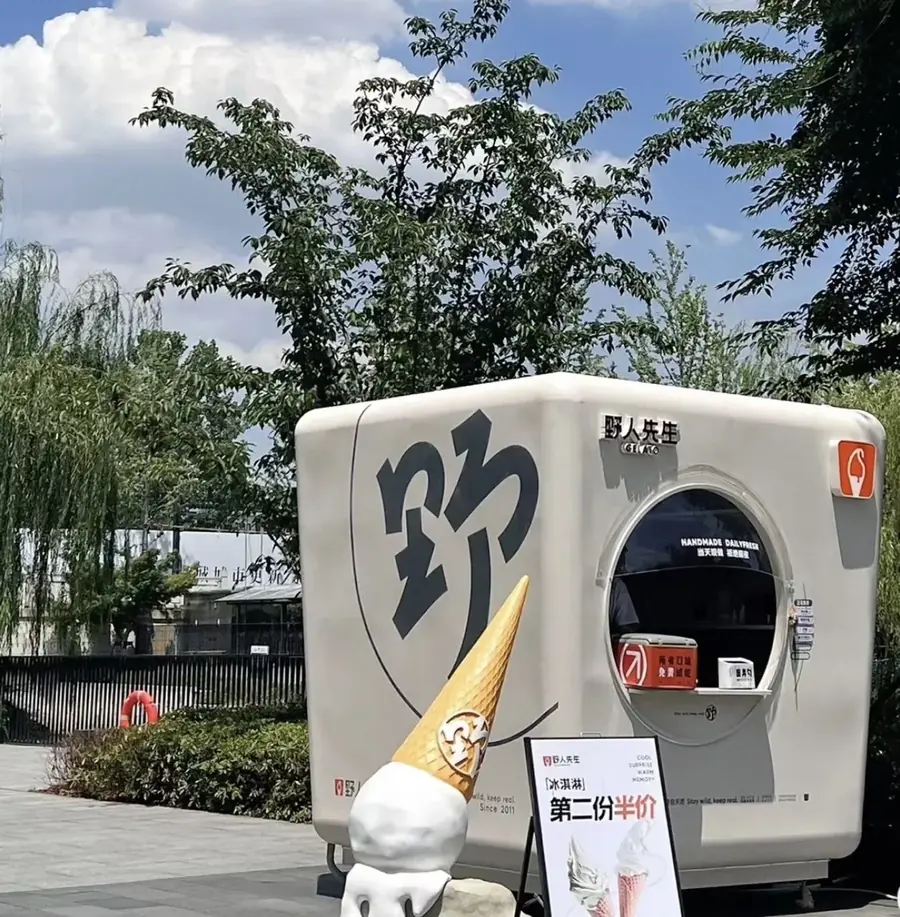
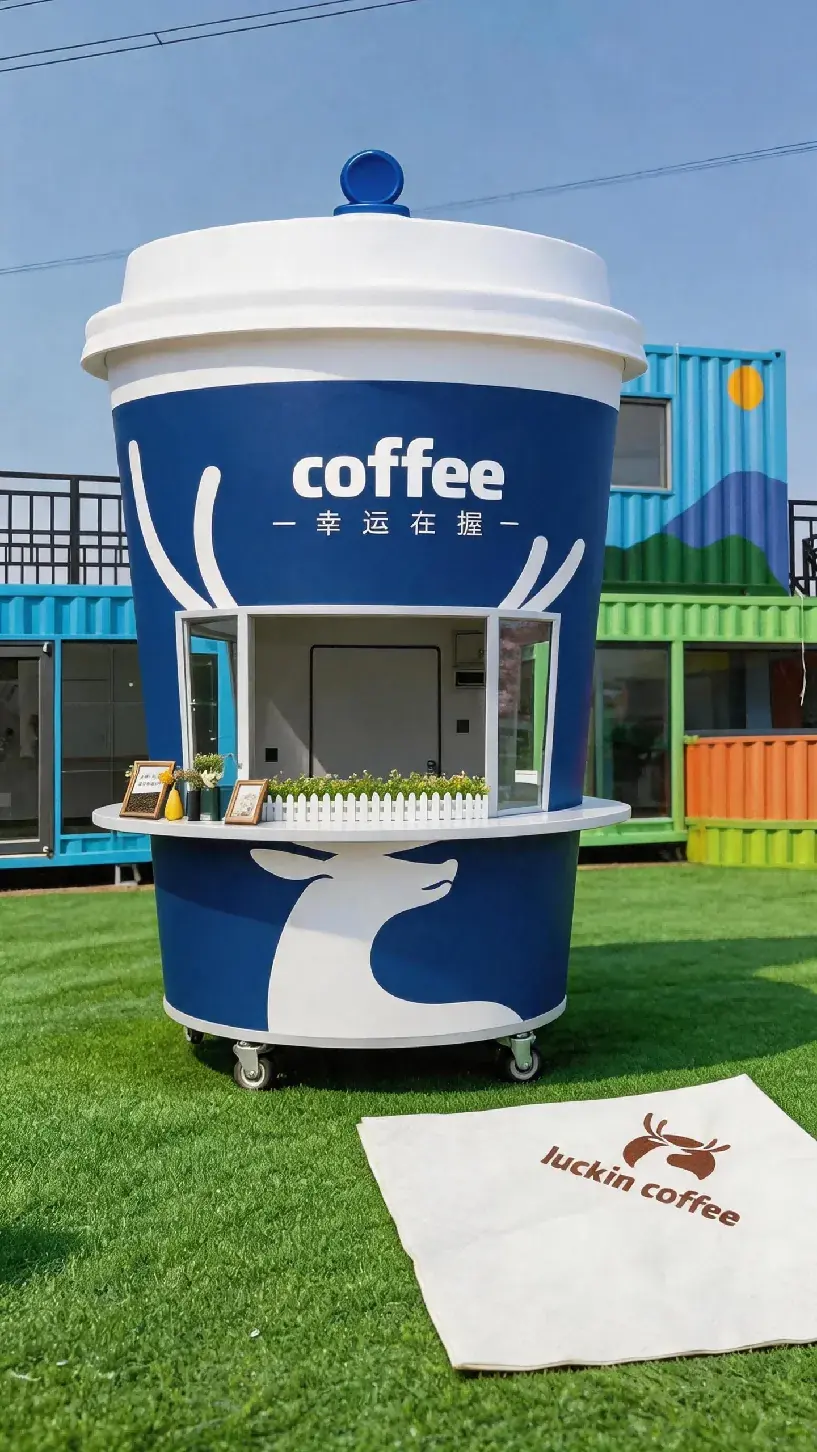
A trailer inside a scenic area is not a street stall — it is an operating unit that needs approval, municipal power and wastewater hook-ups, and has to survive peak-season queues. We work backwards from pitch size, power capacity and waste routes to the right body and layout.
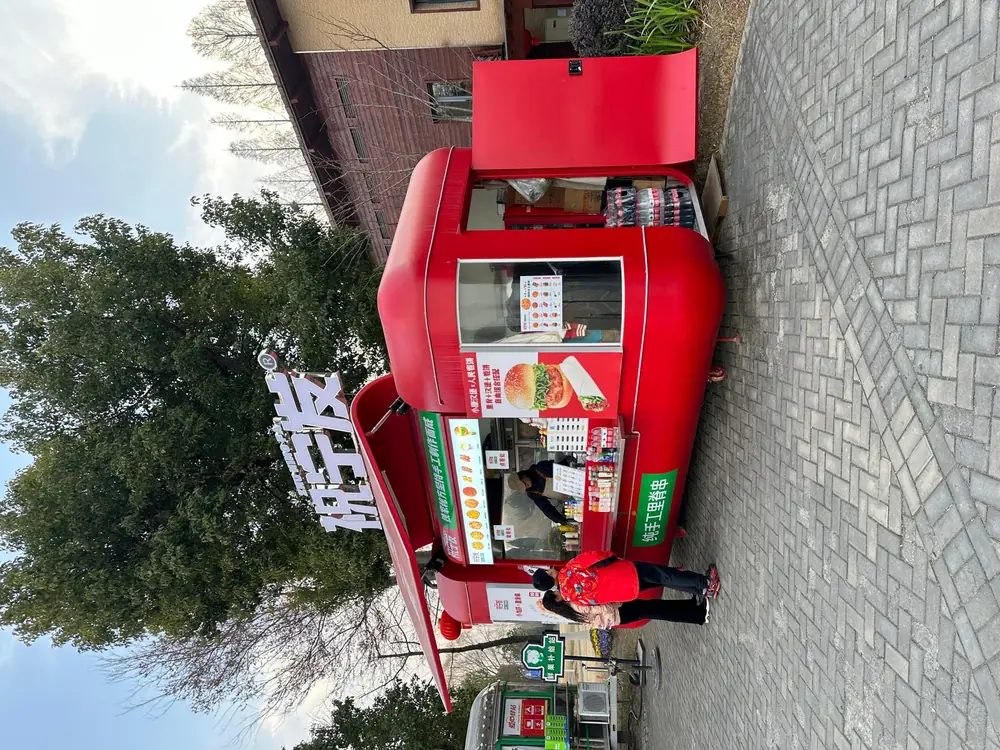
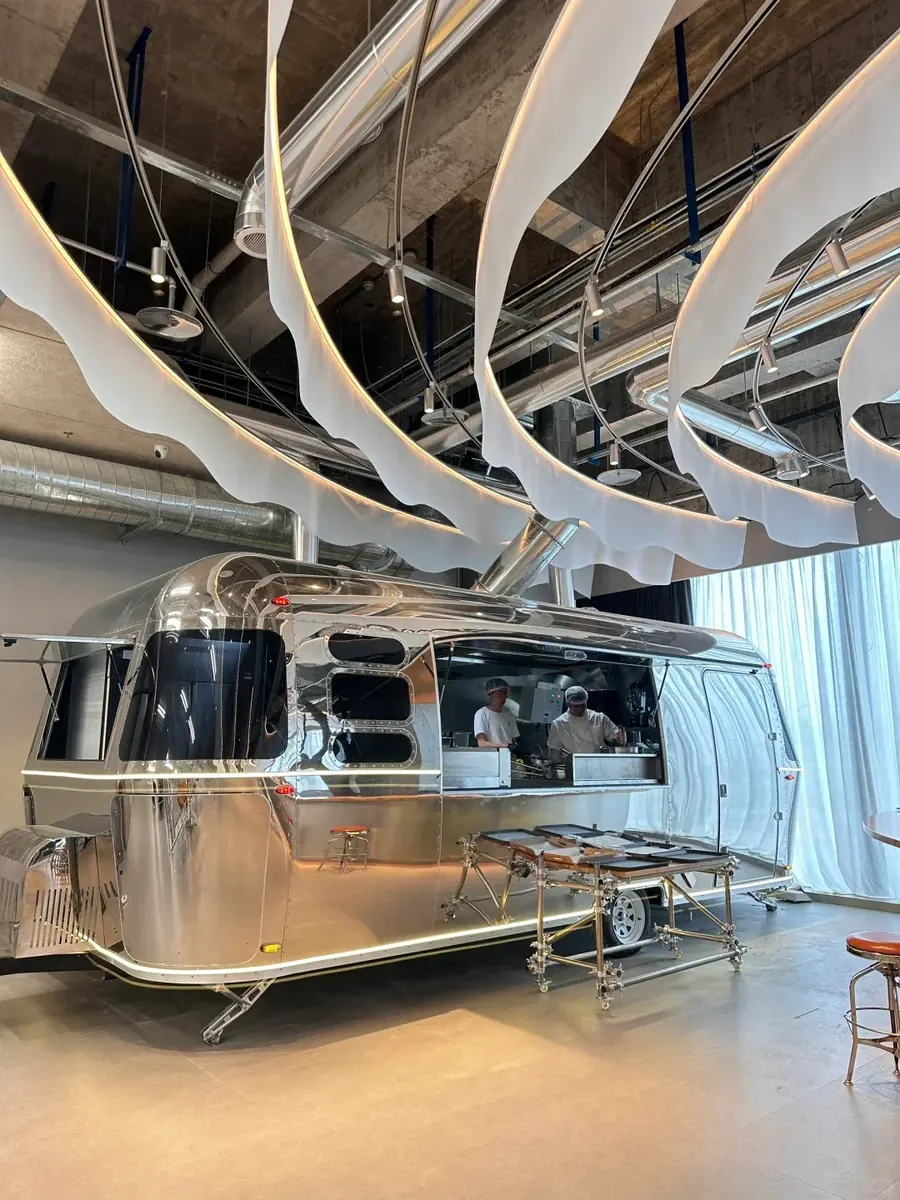
food trailer operating inside a wetland park
Real Pain Points

Where This Scenario Usually Goes Wrong

These are the problems we keep meeting on this type of project. A proposal is only as good as its honesty about them.

Peak-hour queues collapse

Demand concentrates at 11:00-13:00 and 17:00-19:00; a single serving window backs the queue right up.

Power and wastewater are unresolved

Most scenic pitches have one municipal supply and limited waste capacity; the wrong equipment means a shutdown order.

Equipment needs storing off-season

When the park closes for winter or the unit needs servicing, there has to be a safe storage plan rather than leaving it exposed.

The body clashes with the setting

A white box in a historic park breaks the visual language; shaped bodies and wood-grain finishes are a real requirement.

Recommended Models

Common Starting Points

These are the models most often used in this scenario. Final selection follows the site survey.

Configuration Notes

How to Configure the Chassis and Equipment

Chassis and body A 2.4-3.5 m wide stainless steel enclosed body, serving face toward the flow, with the pickup window and queue line separated.
Power A dedicated 220V commercial circuit plus a backup supply inlet; high-draw items (ice machines, fryers) sized on their own circuit.
Water and waste Fresh-water tank, hand-wash sink and waste tank, connected to the park's approved discharge point or a self-contained treatment module.
Storage and safety Lockable equipment lockers, anti-slip flooring and extinguisher points, with roof points pre-fitted for a seasonal awning.
Delivery Process

Six Steps From Brief to Delivery

01 Brief

Business type, pitch, budget and expected footfall.

02 Site survey

Pitch, ground, power and water measured on site.

03 Proposal & render

Layout drawing, equipment schedule and 3D rendering.

04 Manufacturing

Built in our own workshops, production visible throughout.

05 Delivery & commissioning

Vehicle delivery, connection, commissioning and operator training.

06 Aftercare

2-year warranty on wear parts, 10 years on the frame.

FAQ

Common Questions About Scenic Area Food Trailers

What approval does a scenic-area trailer need?

A mobile trailer is an operating unit inside a venue, approved by the park or site operator rather than registered as a road vehicle. Local urban-management and site rules apply.

Can it move around inside the park?

Yes, but only for short-distance movement within the site; it must not be driven on public roads.

How do we store it off-season?

Use a covered fixed pitch: isolate the power, close all valves and run the periodic maintenance schedule. We provide a storage and care sheet.

What size fits a typical scenic pitch?

Most are the 3-6 m class, decided by pitch length and queue space. We size the unit from measured dimensions.

Tell us your scenario

Send us the site details and how you trade — we reply with a targeted proposal within one business day.